


Women’s Reservation Bill: Why It Can’t Apply Yet, OBC Issue Explained
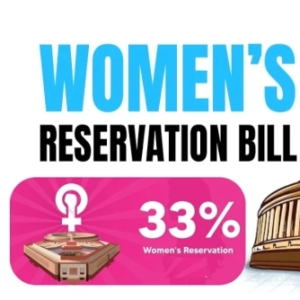
New Delhi: The debate on women’s reservation is growing again. People want to know why the government cannot apply 33% reservation in the current 543-seat Lok Sabha. At the same time, many also ask why the OBC issue is still not solved.

Why can’t it apply now?
To begin with, the government says it needs delimitation first. Delimitation means changing seat boundaries based on population.
Right now, the Lok Sabha has 543 seats based on old data. However, a new census will update population numbers. After that, authorities will redraw seats.
Therefore, the government says it cannot apply reservation before this process. It believes this step will ensure fair seat sharing across the country.
What does the government say?
The government has made its stand clear. It says the process must follow steps.
First, the country needs a census. Next, it needs delimitation. After that, it can apply reservation.
Moreover, the government says this method will give equal representation to all regions. It also calls the bill a historic step.
What does the opposition say?
On the other hand, the opposition does not agree. It says the government can apply reservation now.
It argues that there is no need to wait for delimitation. In addition, it claims the delay shows weak political will.
Therefore, the opposition wants the government to apply reservation in the next election.
Why is the OBC issue not solved?
Now, the biggest issue is OBC reservation. The opposition wants a separate quota for OBC women.https://youtube.com/shorts/70TWZsIlBuE?feature=share
However, the government says it does not have updated caste data. Without clear data, it cannot fix a fair quota.
As a result, the OBC sub-quota issue remains stuck.https://worldwitness.in/?p=787
Main reasons for delay
There are three key reasons:
- First, the need for census and delimitation
- Second, political disagreement
- Third, lack of clear OBC data
Conclusion
In short, all parties support women’s reservation. However, they do not agree on how and when to apply it.
So, the issue remains open. The final decision will depend on census, delimitation, and agreement on OBC data.